
Best Practice Toward Obtaining an NPDES Permit
Your NDPES permit hinges on your compliance
1. Zero-discharge closed-loop water recycling
2. Discharge to a municipal sanitary sewer system (requires authorization from the sanitary wastewater utility)
3. Discharge to land or ground (may require authorization from EPA or the city/county environmental program)
4. Discharge to surface water (requires an NDPES permit from EPA, and is typically not practical)
Zero-Discharge Closed-Loop Water Recycling Systems
A closed-loop system uses recycled water and has zero or negligible discharge. Stationary systems such as car washing facilities generally require an NPDES permit from the EPA.
Mobile closed-loop water recycling systems may provide adequate wastewater collection and treatment without having to obtain an NPDES permit, provided that wastewater is properly disposed of.
However, one potential issue is that closed-loop water recycling systems may use chemicals to remove solids from the waste.
When systems use these chemicals, they commonly generate sludge, which must be handled safely and disposed of in a manner that does not cause pollution of the state’s waters.
Another common issue is that closed-loop recycling systems may include a reservoir to store recycled water for reuse. It may be necessary to dispose of the reservoir water periodically as oil, grease, and other pollutants accumulate.
The following steps should be followed for safe handling and disposal of the sludge and the contaminated reservoir water generated by these systems:
a. Wastewater from a closed-loop system must be either discharged to a municipal sanitary wastewater system (with prior authorization) or disposed at a commercial industrial wastewater treatment facility.
b. The sludge generated in these systems may be designated as hazardous waste, and it can usually be disposed of in a sanitary landfill. To be sure, check with the local EPA District Office or the city/council environmental program and/or landfill operator.
c. If the sludge is considered a hazardous waste, it must be disposed of through a permitted treatment, storage, and disposal (TSD) facility.
Discharge to a Municipal Sanitary Sewer System
Discharges to a municipal sewerage system receive treatment by the municipal treatment facility before they are finally discharged to the environment (rivers, lakes, seawater, or the land). Wherever practicable, EPA recommends discharging wastewater from mobile washing to the sanitary sewer.
For fleet washing activities, discharge to the sanitary sewer will be the most economical and best alternative. Discharges to a sanitary sewer must have prior approval from the wastewater utility and may require some pretreatment. In addition, this disposal method must be approved by the property owner(s) prior to discharge.
Discharge to Land or Ground
Discharges to the ground must be treated to prevent groundwater pollution. A grassy ground surface can provide treatment for small (i.e. minimal ponding and no runoff) and infrequent discharges.
Regardless of the number and type of vehicle washing activity, all discharges to groundwater must comply with state groundwater standards.
In some areas of the state, such as those over sole source aquifers, discharge to the ground may not be allowed or may require further controls. In those sensitive areas, closed-loop water recycling or other disposal options would be necessary.
If the wastewater is to be diverted to landscaped areas, damage to plants and soil can be avoided by minimizing or eliminating the use of soaps, detergents, and chemicals. Any solids that would be visible on the ground after discharge must be filtered out of the waste stream.
In addition, minimizing the use of water can prevent wastewater from overflowing from these areas.
Repeated discharges to landscaped areas may result in an accumulation of contaminants, thus damaging vegetation and increasing contaminant levels in the soil. Note: If wastewater is repeatedly discharged to the same land area, EPS may require the facility or the washing contractor to obtain an NDPES permit.
Contact the local EPA District Office or the city/county environmental program prior to discharge for more information.
Discharge to Surface Water
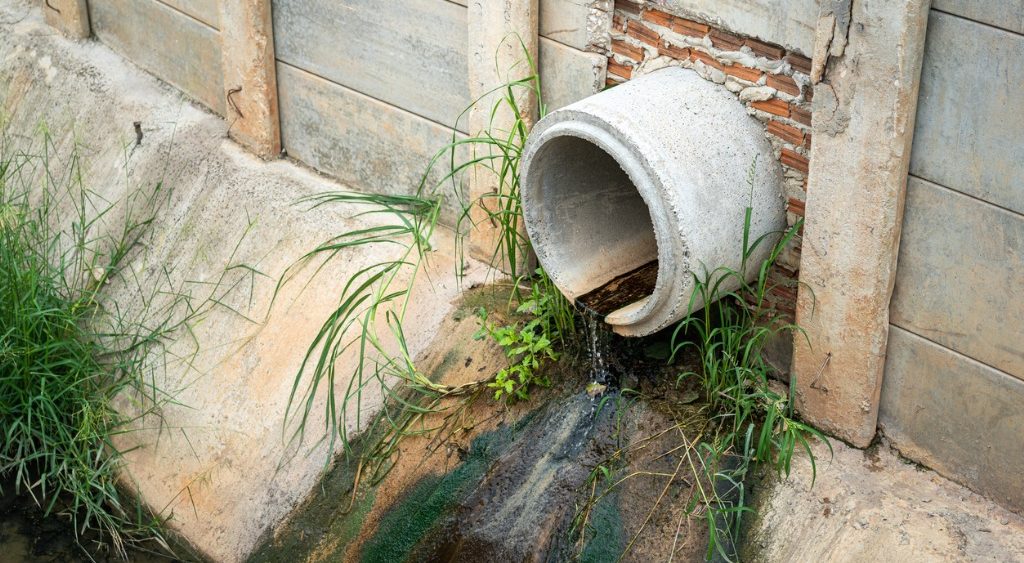
Discharge of wastewater to stormwater systems (such as drains, ditches, and retention areas) or to surface water (such as lakes, rivers, streams, canals, bays, or to the ocean) is prohibited without an NDPES permit.
Therefore, this option is generally not feasible NDPES permits typically require a high degree of treatment to meet water quality standards, along with extensive (and costly) monitoring For more information concerning a NDPES permit requirements involved in discharging to surface water, please contact the local EPA office.
- Stormwater Pollutants of Emerging Concern
- Stormwater Discharges from Construction Activities
- Stormwater Discharges from Industrial Activities
- Stormwater Discharges from Municipal Sources
- Stormwater Discharges from Transportation Sources
- Oil and Gas Stormwater Permitting
- EPA’s Residual Designation Authority
- Stormwater Maintenance
- Stormwater Planning