Introduction to Wash Rack Compliance
A common activity throughout municipalities and school districts is washing vehicles and equipment. The purpose is to remove dirt and other pollutants. Those same pollutants, along with any detergents used, can damage water quality.
The discharge of wastewater from vehicle and equipment washing to surface waters or a storm sewer must be authorized by a National Pollutant Discharge Elimination System (NPDES) permit related to wash rack compliance. For municipalities with an NPDES Municipal Separate Storm Sewer System (MS4) permit, discharging wash water into a storm sewer without an NPDES permit is an illicit discharge and a permit violation.
Modeled after the State of Michigan, following information focuses on managing discharges to groundwater or a wastewater treatment plant, which is preferable to a surface water discharge.
Best Management Practices for Wash Rack Compliance
Proper implementation of a vehicle and equipment washing program prevents pollutants such as sediment, oil, grease, and detergents from entering surface waters. Municipalities should implement wash rack best management practices (BMPs) to run an effective washing program.
There is no exemption for biodegradable products. Biodegradable does not mean harmless. These products break down through bacterial or natural processes, and that degradation consumes dissolved oxygen in water, which harms aquatic organisms.
There is also no exemption for rinsing only. Not using soap is a step in the right direction, but rinsing vehicles and equipment still produces runoff containing sediment, oil, grease, and other pollutants.
Steps to a Successful Washing Program
Step One: Identify Vehicles and Equipment
Identify all vehicles and equipment that require washing. This includes fleet vehicles, street sweepers, sewer vacuum trucks, salt trucks, plow trucks, lawn mowers, golf carts, school buses, and emergency vehicles such as fire trucks and police cars.
Step Two: Designate a Washing Area
Identify a designated area for washing. Depending on the size and needs of your municipality, this may be one central location or several. Many municipalities use a designated wash bay. The area should be indoors, with floor drains verified to discharge to the local wastewater treatment plant (WWTP). Those discharges are regulated by the local sewer authority.
Contact your local sewer authority for a copy of their sewer use ordinances. Confirm whether the facility accepts vehicle wash water, and review any requirements for flow rate, monitoring, record keeping, sampling, and industrial pretreatment. Most facilities require minimal pretreatment before disposal, typically a grit chamber and an oil/water separator.
If you install a grit chamber or oil/water separator, develop and follow an inspection and wash rack compliance program that includes:
Conducting inspections at regular intervals to confirm the equipment functions properly. Removing and recycling separated oil. Sampling sludge to determine if it qualifies as hazardous waste, then removing and disposing of it properly.
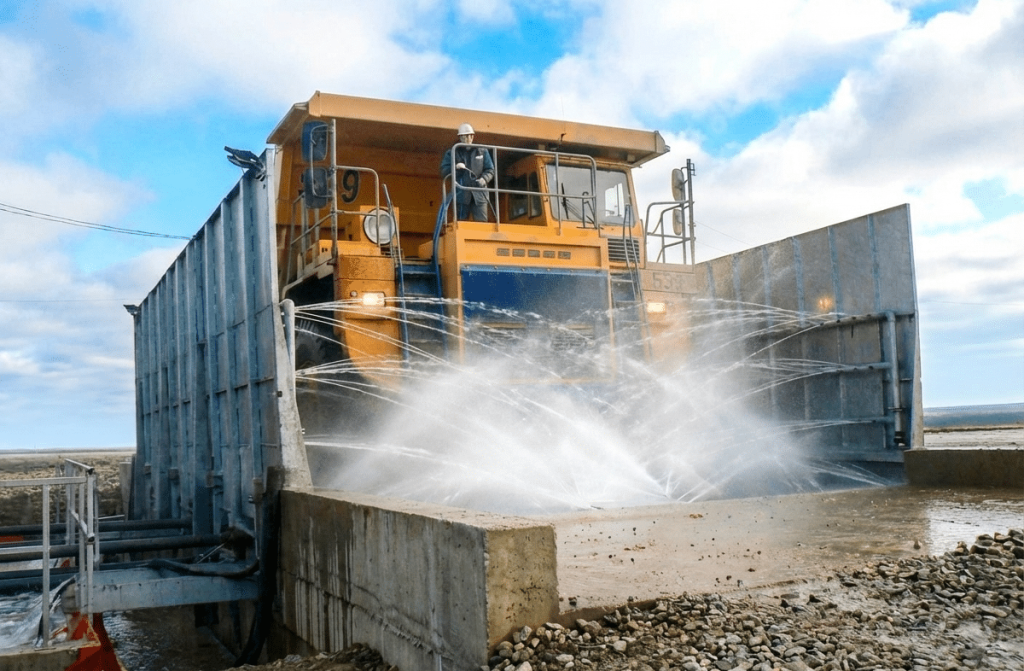
Wash Rack Compliance
Wash rack compliance ensures The proper discharge of wastewater from vehicle and equipment washing to surface waters or a storm sewer must be authorized by a National Pollutant Discharge Elimination System (NPDES) permit.
Step Three: Wash Rack Compliance includes Dispose of Wash Water Appropriately
Option 1: Discharge to a WWTP through a sanitary or combined sewer system.
There are two types of sewer systems: separate and combined. Separate systems use distinct pipes to keep storm water and sanitary wastewater apart. Storm sewers discharge to the nearest waterway; sanitary sewers direct wastewater to the WWTP. Combined systems collect both storm water and sanitary wastewater in the same pipe before treatment.
Select a washing location that drains to a sanitary or combined sewer. If you are unsure where your storm sewer discharges, contact your local public works department and enire you are within wash rack compliance.
If your site uses an outdoor wash area, confirm it drains to the Waster Water Treatment Plant (WWTP). Curb or slope the area to prevent discharge to the storm sewer. Post signage to inform staff of the designated wash area.
Option 2: Discharge to the ground with a permit or exemption for wash rack compliance.
A discharge to the ground may qualify for an exemption from permitting if:
The discharge contains no soaps or detergents. Only non-polluting substances are removed from the vehicles or surfaces.
If an additive is used, a groundwater discharge permit is required. Approval depends on meeting these conditions:
The water supply meets applicable quality standards. Any additive beyond basic household soap is used for its intended purpose and according to the manufacturer’s directions. Washing is limited to exterior dirt and grime removal, excluding the undercarriage and any substances transported in the vehicle. The discharge does not cause runoff onto adjacent properties. The discharge does not cause groundwater to exceed applicable standards. Discharge volume does not exceed 1,000 gallons per month per acre. A daily log is maintained documenting the volume discharged and any additives used.
For questions about vehicle and equipment washing or MS4 wash rack compliance, contact your local MS4 compliance staff.
This document is for guidance only. Changes in legislation, rules, or procedures may affect the wash rack compliance information presented here. This document does not constitute legal advice.